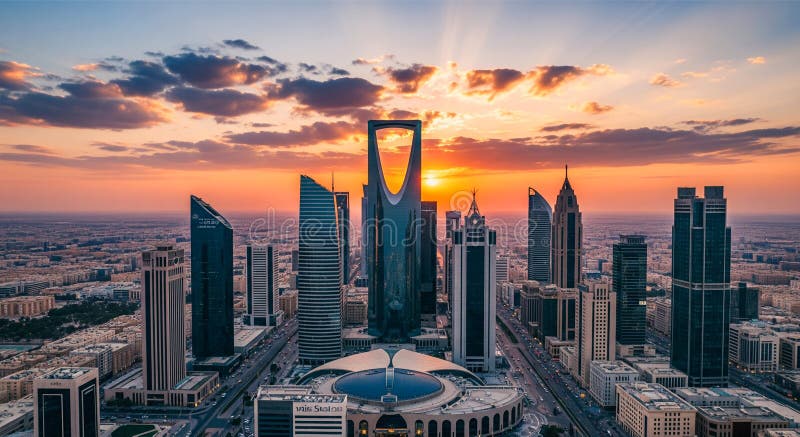
Saudi Arabia continues to adopt a restrained approach within an evolving regional environment, balancing external pressures with internal priorities. Developments across the Middle East introduce uncertainty, yet Riyadh has avoided overt alignment, preserving flexibility in its positioning.
The Kingdom’s economic transformation agenda remains a key factor shaping its approach. Stability is essential for sustaining investment and long-term planning, making escalation an undesirable outcome. Vision 2030 represents a fundamental reorientation of the Saudi economy, diversifying away from oil dependency toward tourism, technology, and manufacturing sectors. This ambitious restructuring requires a stable regional environment to attract foreign investment and implement large-scale infrastructure projects.
At the same time, Saudi Arabia remains engaged through less visible channels, maintaining coordination without direct involvement. Energy policy reinforces this position, with stable production levels supporting both domestic objectives and global market confidence. The Kingdom’s role as a swing producer gives it significant leverage in global energy markets, a position it carefully manages to maintain influence without provoking regional rivals.
Saudi Arabia’s posture reflects a broader strategy in which restraint functions as an active form of positioning, allowing it to navigate uncertainty while preserving long-term interests. The normalization of relations with Iran, brokered by China, demonstrates Riyadh’s preference for diplomatic solutions over confrontation. This shift represents a significant evolution in Saudi foreign policy, prioritizing regional stability over traditional alliances.
The Kingdom’s relationship with the United States remains important but has become more transactional. While security cooperation continues, Saudi Arabia has demonstrated willingness to pursue independent foreign policy initiatives, including engagement with China and Russia. This diversification of partnerships reflects a recognition that the regional order is evolving and that flexibility serves Saudi interests better than rigid alignment.
Domestically, Crown Prince Mohammed bin Salman’s consolidation of power has enabled rapid decision-making and ambitious reform programs. However, this centralization also means that policy directions can shift quickly based on the leadership’s assessment of changing circumstances. The Kingdom’s regional posture will likely continue to prioritize stability and economic development over ideological confrontation.
The success of Vision 2030 depends significantly on the Kingdom’s ability to maintain regional stability while pursuing its ambitious domestic agenda. This requires careful management of relationships with neighbors, competitors, and global powers. Saudi Arabia’s measured approach reflects a recognition that its long-term interests are best served by avoiding entanglement in regional conflicts while positioning itself as a key player in any eventual settlement.
Looking ahead, the Kingdom’s influence in the region will depend on its ability to deliver on its economic transformation promises while maintaining its traditional role as a stabilizing force. The balance between these objectives will continue to shape Saudi foreign policy in the years to come.